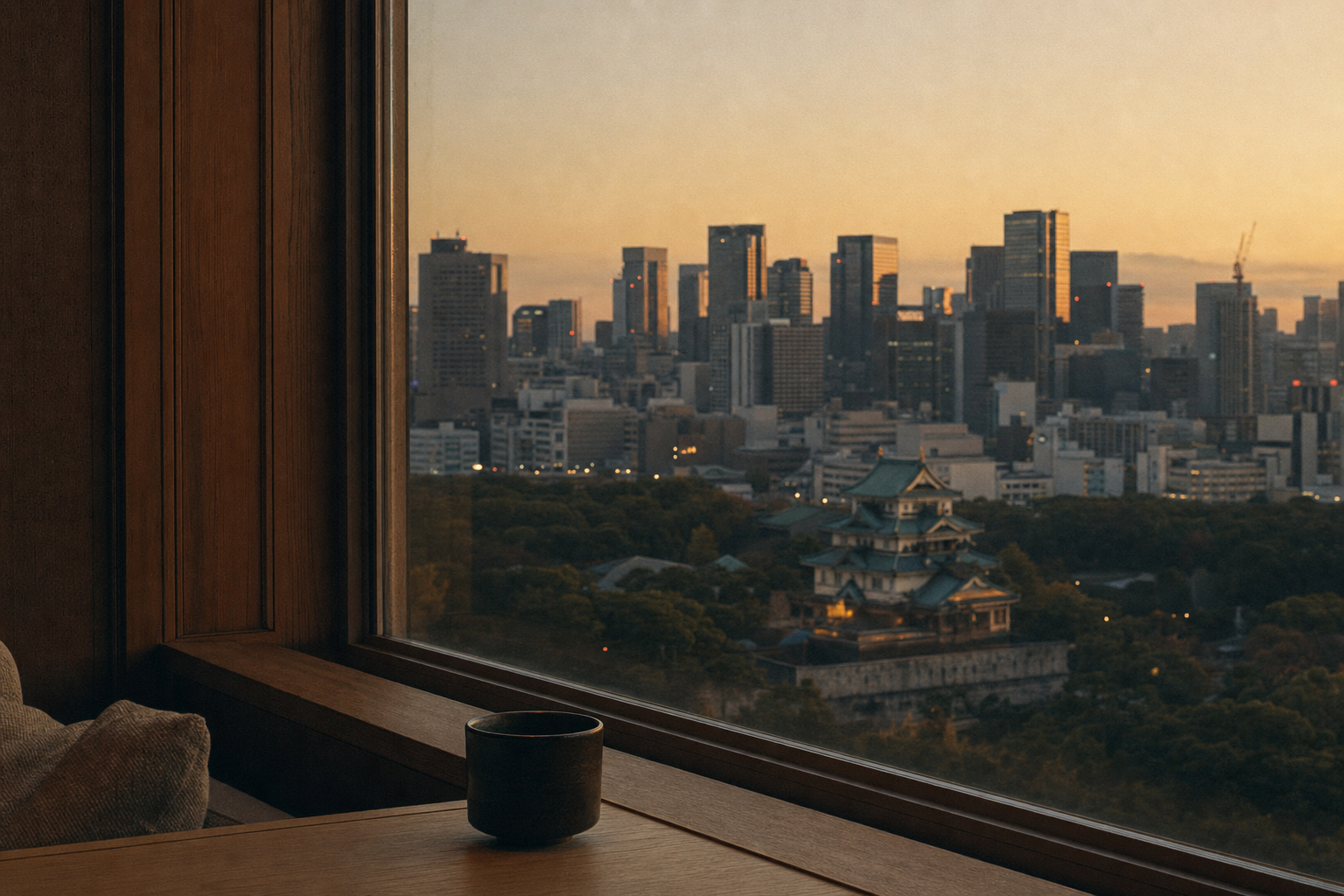
On a balmy evening in Shibuya, life pulses with its usual intensity, yet within an unassuming high-rise, a new narrative of urban living unfolds. Inside a tiny apartment, the world shrinks down to essentials: a retractable bed that vanishes to reveal a meditation corner, floor-to-ceiling smart storage solutions, and a panoramic vista across the Tokyo skyline. This isn't just about making do with less; it's about reimagining the very notion of space. Here, living large with a small footprint is not an aspiration. It's an art form perfected by necessity and desire.
The Art of Compact Living
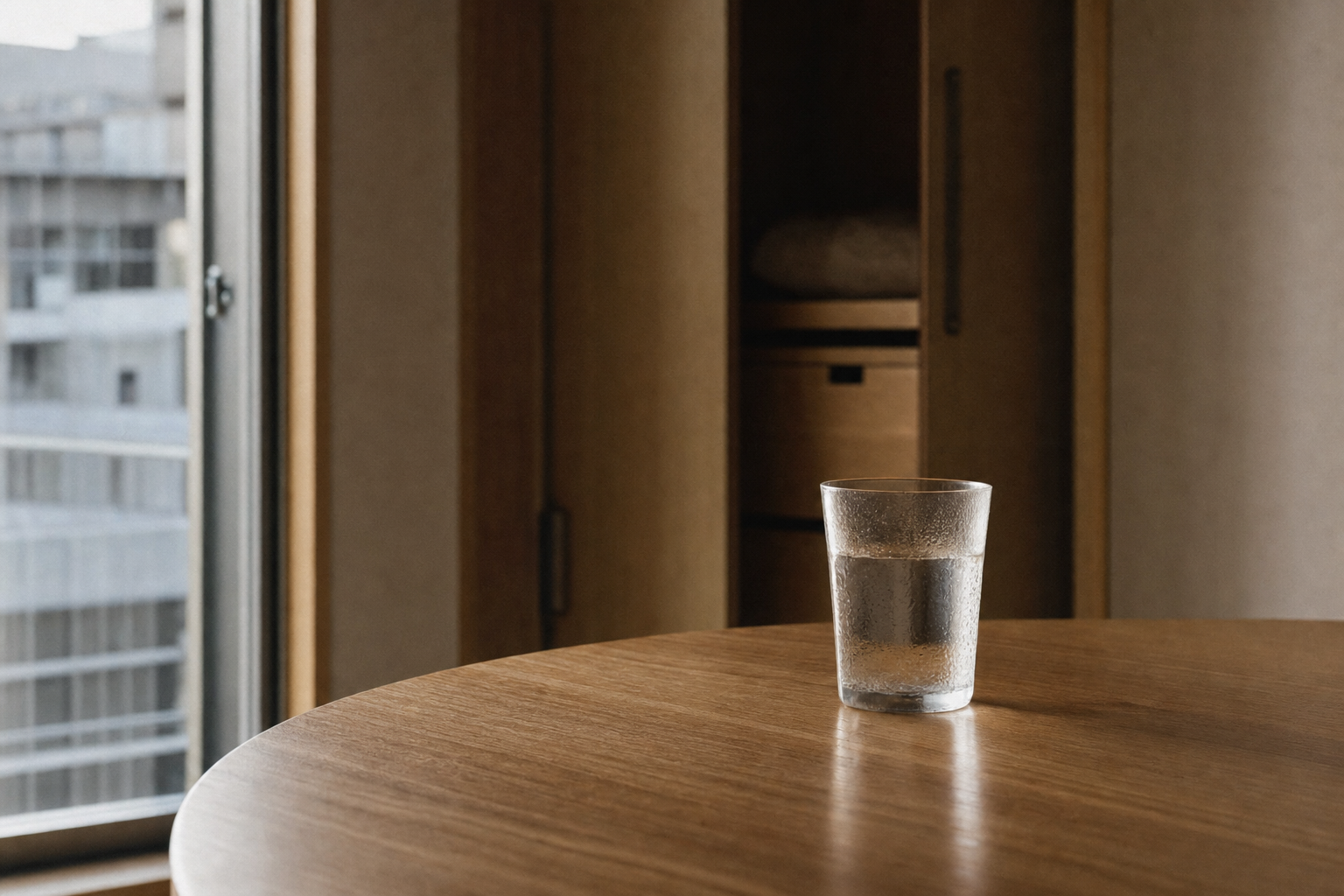
In Nakameguro, a studio apartment defies its modest dimensions with a hidden kitchen that slides away like a shoji screen. The ingenuity of design here is not just practical but poetic. It’s a dance of elements—where a dining table transforms into a work desk, and a sofa compresses into the wall to reveal a guest bed.
Tokyo's embrace of minimalism isn't merely aesthetic; it's cultural. The city's ethos is rooted in the Japanese principle of "Ma," the space between. Every inch has meaning and purpose, a luxury in itself. It's about savoring the elegance of simplicity, where fewer distractions mean more focus on quality.
The luxury of small space design in Tokyo is almost paradoxical. It's about indulgence in craftsmanship, where a knife edge is honed to perfection, or a tatami mat is woven with precision. It's an appreciation for detail, where even a teacup can be an object of reverence.
Tradition Meets Innovation
In Asakusa, a residence elegantly marries the old with the new. Here, traditional tatami mats coexist with cutting-edge smart home systems, representing a seamless blend of heritage and technology. The home is a testament to Tokyo's unique ability to honor tradition while embracing innovation.
Tokyo's architectural evolution is not merely a response to necessity but a celebration of ingenuity. Architects and designers consistently push boundaries, drawing from a deep well of cultural history while remaining unafraid to experiment with future-forward concepts.
Craftsmanship plays a crucial role in this evolution. Whether it's a sliding door mechanism refined repeatedly until it glides silently or a wooden beam hand-polished to a satin finish, the attention to detail is a hallmark of Tokyo's residential spaces.
This harmonious blend of past and future is perhaps Tokyo's greatest export—a philosophy that could guide urban living elsewhere in the world.
Community in Density
In Shinjuku, a rooftop garden crowns a tower block, its lush greenery an unexpected oasis amidst the urban sprawl. Far from being a mere decorative element, this garden serves as a cornerstone for community interaction. Here, neighbors meet, share stories, and cultivate not just plants, but a sense of belonging.
Tokyo's high-rise buildings often incorporate shared spaces, blurring the lines between private and communal living. These spaces encourage spontaneous encounters and foster a collective identity among residents in a city known for its vast scale.
Public infrastructure in Tokyo is designed to promote interaction. Efficient transport networks, pedestrian-friendly streets, and public parks are all meticulously planned to ensure that city dwellers are not isolated within the confines of their homes.
Design plays a vital role in fostering this sense of community. From the intentional placement of benches that invite conversation to the incorporation of local culture in public art installations, every element contributes to a cohesive urban experience.
This focus on community is perhaps Tokyo's most humanizing aspect, reminding us that even in a city of millions, the true essence of urban living lies in connection.
Urban Challenges and Solutions
Tokyo's response to the pressures of urban living is as dynamic as the city itself. Omotesando's green walls stand as monuments to eco-friendly innovation, showcasing how nature can be interwoven with concrete landscapes. These interventions are not mere embellishments but are integral to the city's strategy for sustainable living.
Public transport, too, reflects Tokyo's commitment to efficiency and environmental stewardship. Trains run with precision and regularity that would make a Swiss watch blush, minimizing carbon footprints while maximizing connectivity. Urban planning in Tokyo is an ever-evolving dialogue between innovation and necessity, ensuring that the city not only survives but thrives.
Living large isn’t about square footage; it’s about maximizing every inch with purpose and grace.