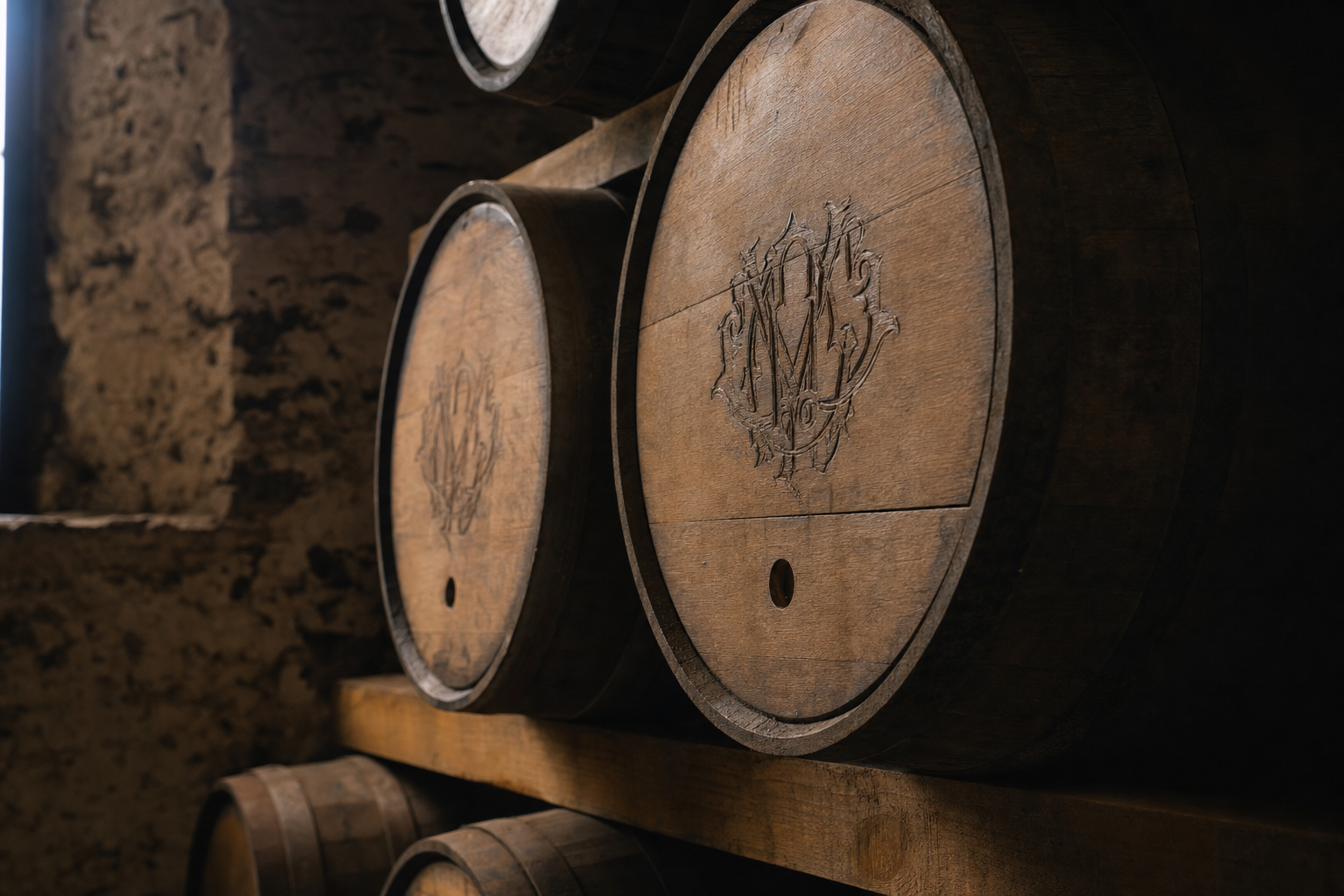
On a misty autumn morning in November, deep within the lush surroundings of Japan's Hokkaido region, the sun slowly emerges, casting a golden hue over the Nikka Yoichi Distillery where the rich scent of fermentation mingles with the crisp, mountain air. Amidst the quiet hum of distillation, one starts to understand that the essence of Japanese whisky extends beyond barrels and malt. It is an interaction, a conversation between land and spirit.
Hokkaido's Whispering Wind
In Hokkaido, where winters bite hard and summers fly briefly by, the atmospheric conditions are critical to creating whisky with depth and character. The Yoichi Distillery sits in a pocket of this environment, where cold sea winds brush against pine forests. It is here that the whisky matures, each barrel breathing in the salty air, the damp earth, the echo of the land. A sip is a taste of its climate—it is robust, with a subtle smokiness, hinting at the peat fires of nearby fishing villages.
Honshu's Gentle Embrace
In contrast, Honshu's distilleries, such as the Hakushu nestled in the Southern Japanese Alps, benefit from a different spectrum of nature. Here, the air is crisp with the scent of cypress and cedar, and the water runs pure from mountain streams. These elements imbue the whisky with a lightness, a floral note that dances across the palate like a spring breeze. It is said that one can taste the seasons shifting, the gentle embrace of the earth in every glass.
The Conversational Element of Water
Water is the quiet mediator in this exchange, drawn from the abundant springs and rivers that carve through Japan. In Hokkaido, the mineral-rich waters lend body and whisper to the whisky, while the softer waters in Honshu provide clarity and finesse. It is not merely a component but a co-author of the spirit’s narrative, shaping the texture and tonality of the whisky, infusing it with the terroir's whisper.
“Japanese whisky speaks with the voice of its environment, an echo of its soil, air, and water.”
Craft Alone is Not Enough
While the meticulous craft of Japanese whisky is indisputable—its precise fermentation, distillation, and maturation processes—it is the symbiosis with location that births its soul. Attempting to replicate Japanese whisky outside of Japan encounters the absence of these unreplicable terroir elements: the boreal chill of a Hokkaido winter or the tranquil warmth of a Honshu spring.
A Taste of Place
To drink Japanese whisky is to engage with its geography—the testimony of its landscapes woven into the liquid. As the amber drifts over the tongue, there is a clarity—a quiet acknowledgment of the place from which it comes, a land not just remembered but vividly presented. The soul of Japanese whisky is indeed its terroir; it tells of a land alive, breathing through each dram.