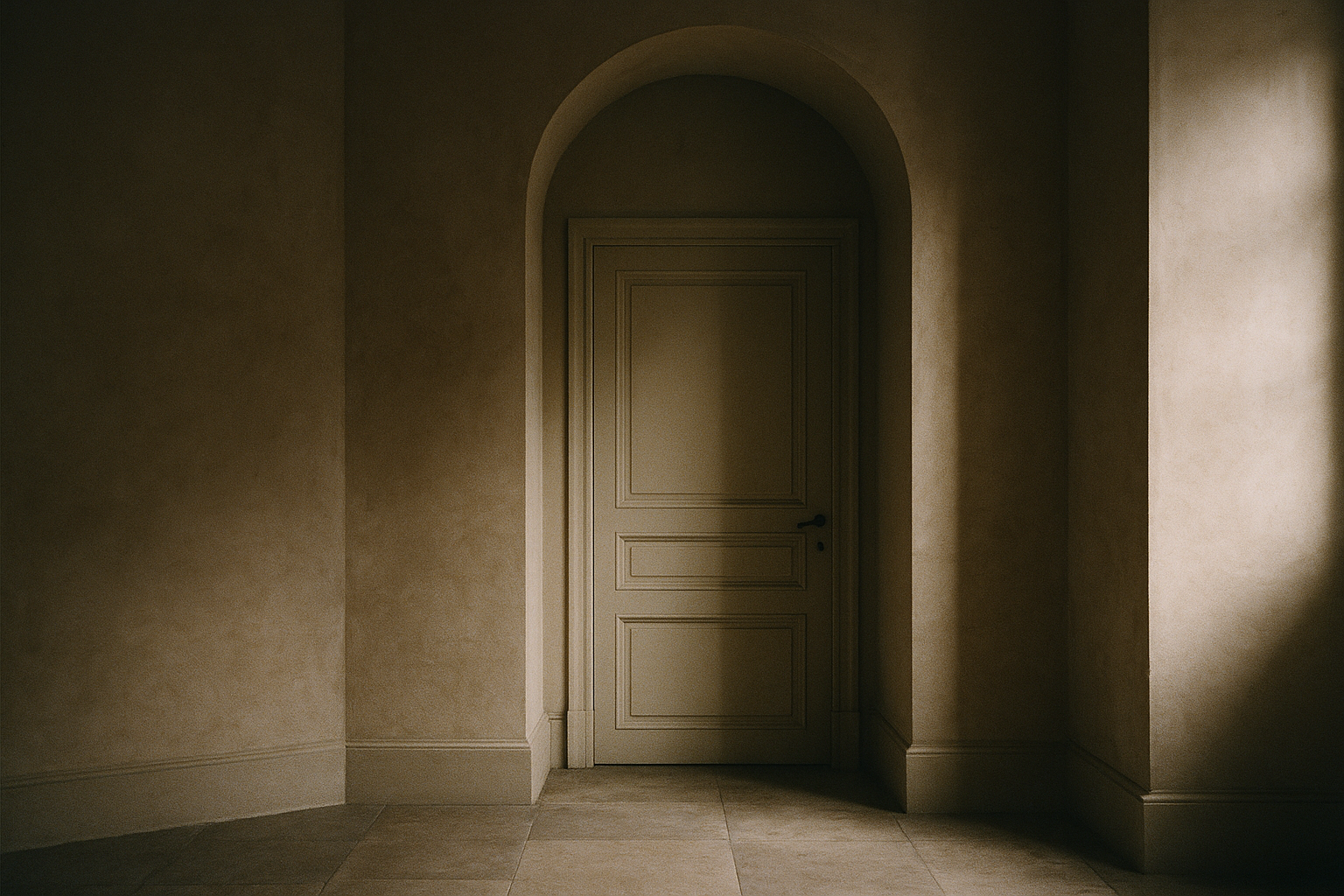
The Alchemy of the Arc: Elevating Ambience Through Architectural Curves
The Sublime Curvature
In architecture, the curve has long served as a bridge between function and form, harmonizing utility with a touch of eternity. It invites the observer not merely to witness but to enter into an emotional dialogue with space, gently guiding the eye and soul. Arches, as quintessential representations of this elemental form, manage to do more than just suspend ceilings or frame views—they reimagine our perceptions of boundaries.
Architectural arches embody an aesthetic language that communicates silently yet profoundly. Their presence in a room transcends mere decoration, offering both a nod to history and a whisper of future possibilities. These curves, in their quiet grace, transform the atmosphere, infusing an interior with layers of meaning and emotion. They play with light and shadow, creating a dance that shifts as the day progresses, enhancing the mood and motion within a space.
A Historical Perspective
The love affair with architectural curves is not a modern whim, but a tradition steeped in centuries of craft and innovation. Archaeological evidence reveals that arches have been part of human design endeavors since ancient Mesopotamia, later perfected by the Romans in their vast aqueducts and majestic coliseums. Through the ornate constructs of the Gothic period to the flowing lines of Art Nouveau, arches have articulated an architectural narrative that remains dynamic.
In contemporary interior design, these historical references are embraced not as relics but as living, breathing elements that continue to inspire designers to reimagine space. Arches offer not only structural benefits but also the intangible quality of time's passage, linking us to our past while guiding the aesthetics of our future spaces.
Crafting Emotional Landscapes
The intrinsic appeal of an arch in an interior setting lies in its capacity to redefine spatial dynamics, imbuing a room with both grandeur and intimacy. The softly curving lines inspire a flow, not just in the literal sense of movement, but in how thought and feeling travel through a space. These curves suggest a gentleness, a call to pause and reflect, creating an environment that functions as much on a psychological palette as a visual one.
*“Arches are not just portals but thresholds of transformation, where the old evaporates and the new becomes tangible.”*
Utilitarian rather than solely aesthetic, arches can subtly partition spaces without severing them, creating psychological zones that foster relaxation or contemplation without physical barriers. This aspect of interior space enhancement is a testament to their duality—both inviting and protective.
Modern Interpretations and Applications
Today’s architects and interior designers are reimagining the role of arches, extracting them from their historic niche to occupy a central place in modern design. Material innovation allows for the replication and reinterpretation of traditional forms in ways previously unimaginable, creating opportunities for arches to manifest as intricate metal frameworks, expansive glass enclosures, or even digital projections.
In residences, these arches may emerge as elegant dividers between living spaces and dining areas, or elegant transitions in open-plan settings. In businesses and public places, they might delineate zones of activity, while still fostering an inclusive atmosphere. It is here, in these modern contexts, that the arch transcends its historical provenance, offering a fresh dialogue between the user and the space.
Conclusion: Serenity in Design
As we weave our way through an era increasingly defined by angularity and minimalism, the reintroduction of architectural curves in interior design serves as a quiet yet potent reminder of the balance between innovation and tradition. The arch, in its unobtrusive elegance, manages to embody the refined sophistication that enhances rather than dictates, providing a sanctuary of thoughtfulness.
By embracing such elements, we sustain a connection not just with a visual strategy, but with a deeper philosophical engagement with our spaces—one that cherishes the serenity born of harmonious design. Architectural arches, with their timeless curve, offer us not merely an aesthetic choice, but an opportunity—to transform the mundane into the magical, and in doing so, to find a sense of peace within our built environments.